
Revolution in water treatment
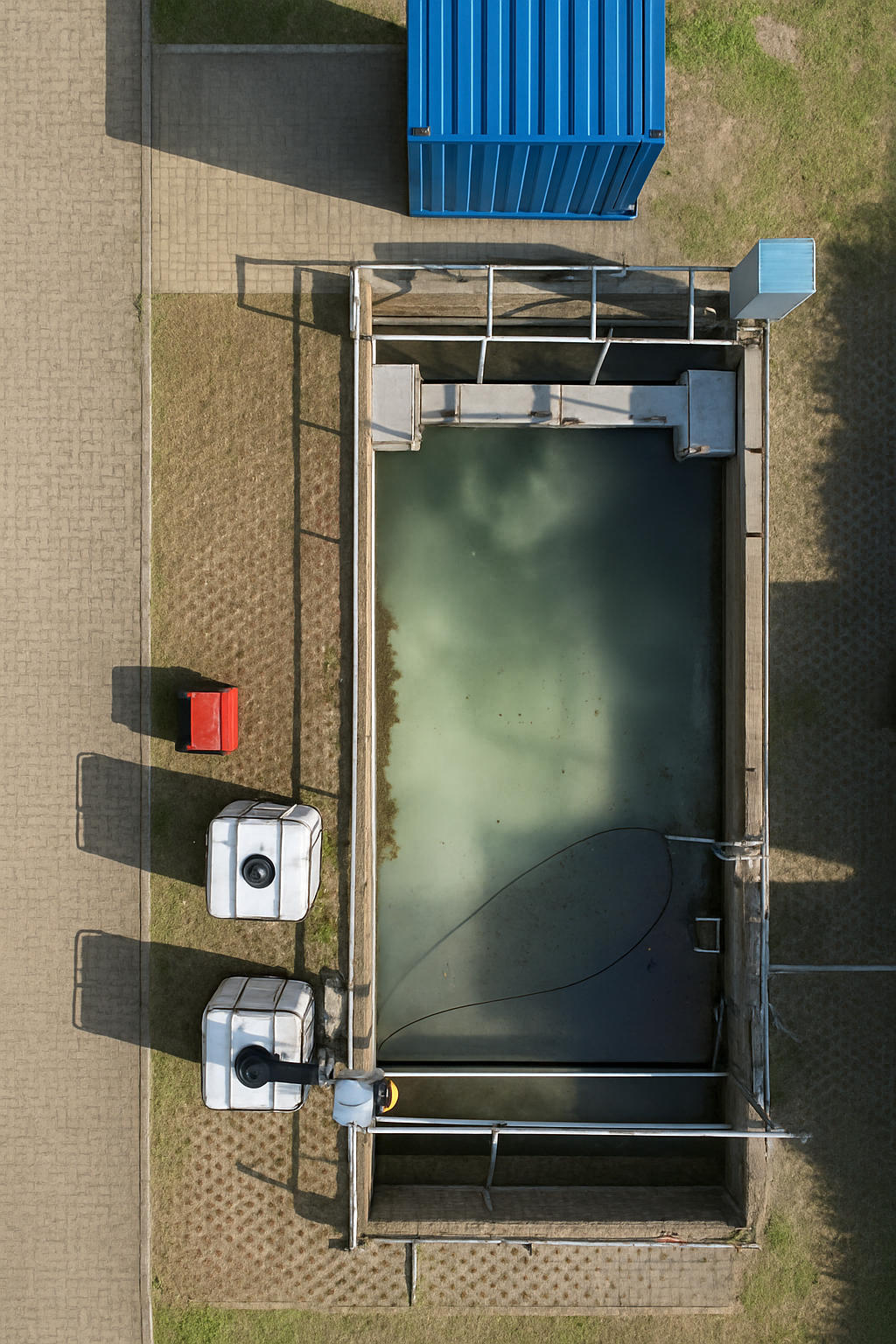
Land Unit
10-foot container with pumps for water treatment
In situ-unit
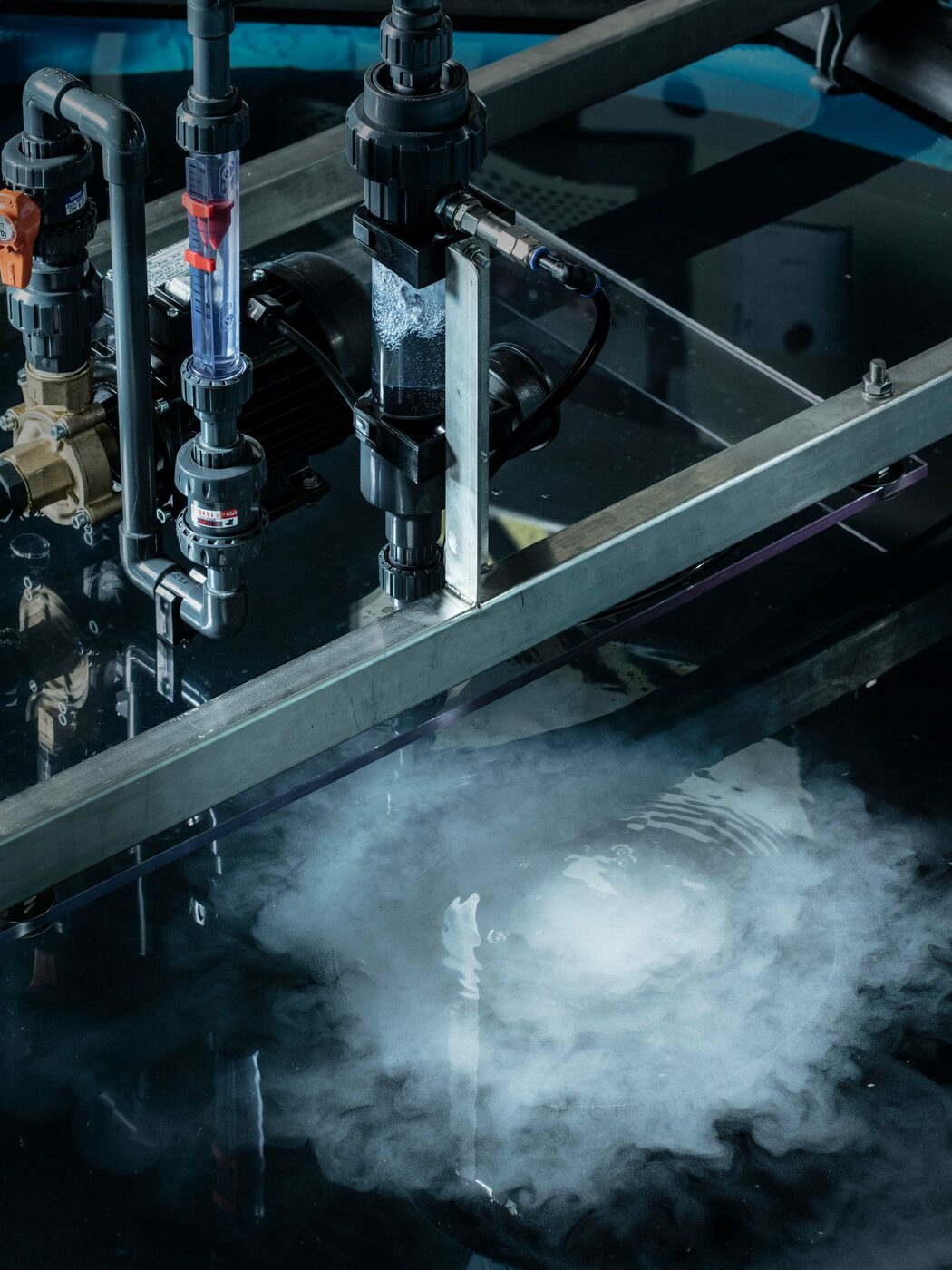
Bubble generation unit for minimally invasive application directly in the water
Skimmer
Concentration and removal of floated solids from the water surface
Retrofit. Modular. Scalable.
We develop and scale innovative technologies to remove microplastics and micropollutants from contaminated water worldwide. Our microflotation system is already being used to sustainably reduce filterable substances (TSS and TSS63), microplastics and micropollutants!
A global problem
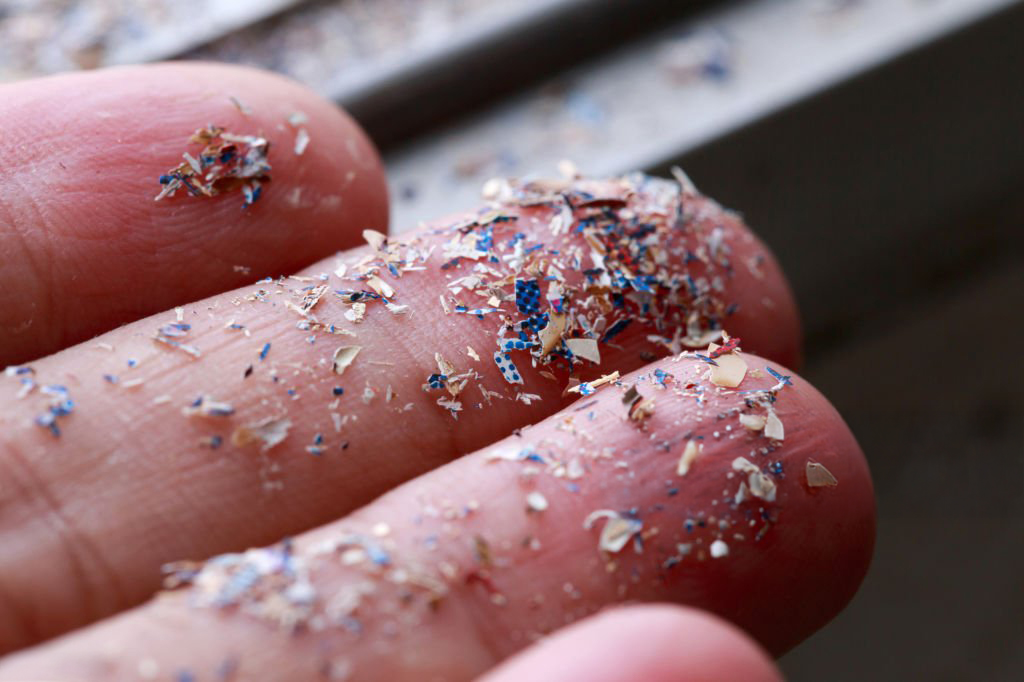
Since 1950, over 10.9 billion tons of plastics have been produced worldwide, of which around 21 millions tons end up in our oceans every year. Since plastics is not biodegradable, it breaks down into smaller particles (< 5 mm) – microplastics or secondary microplastics. In addition, primary microplastics are specifically manufactured and released directly into the environment via textile fibers, cosmetics, and industrial applications.
One of the largest sources of microplastics is tire abrasion, which accounts for about one-third of the microplastics in the oceans. These particles enter our waters via rainfall. Microplastic particles bind (persistent) pollutants that enter the environment via wastewater, agriculture, and industrial activities. Even in small quantities, they disrupt aquatic ecosystems and can cause health risks for humans and animals.
Our goal: to detect microplastics and pollutants at an early stage, remove them effectively, and thus ensure the long-term protection of our waters.
What is in our waters?
Micro-
plastics
Plastic particles < 5 mm
Primarily generated industrially or secondarily through the breakdown of larger plastic pieces
Micro-
pollutants
Chemically persistent & toxic
For example, PFAS, pesticides, and pharmaceutical residues, which are effective even in trace amounts
Filtrable
substances
Suspended solids < 63 µm
Fine particles that significantly contribute to water pollution
Our areas of activity
Identify
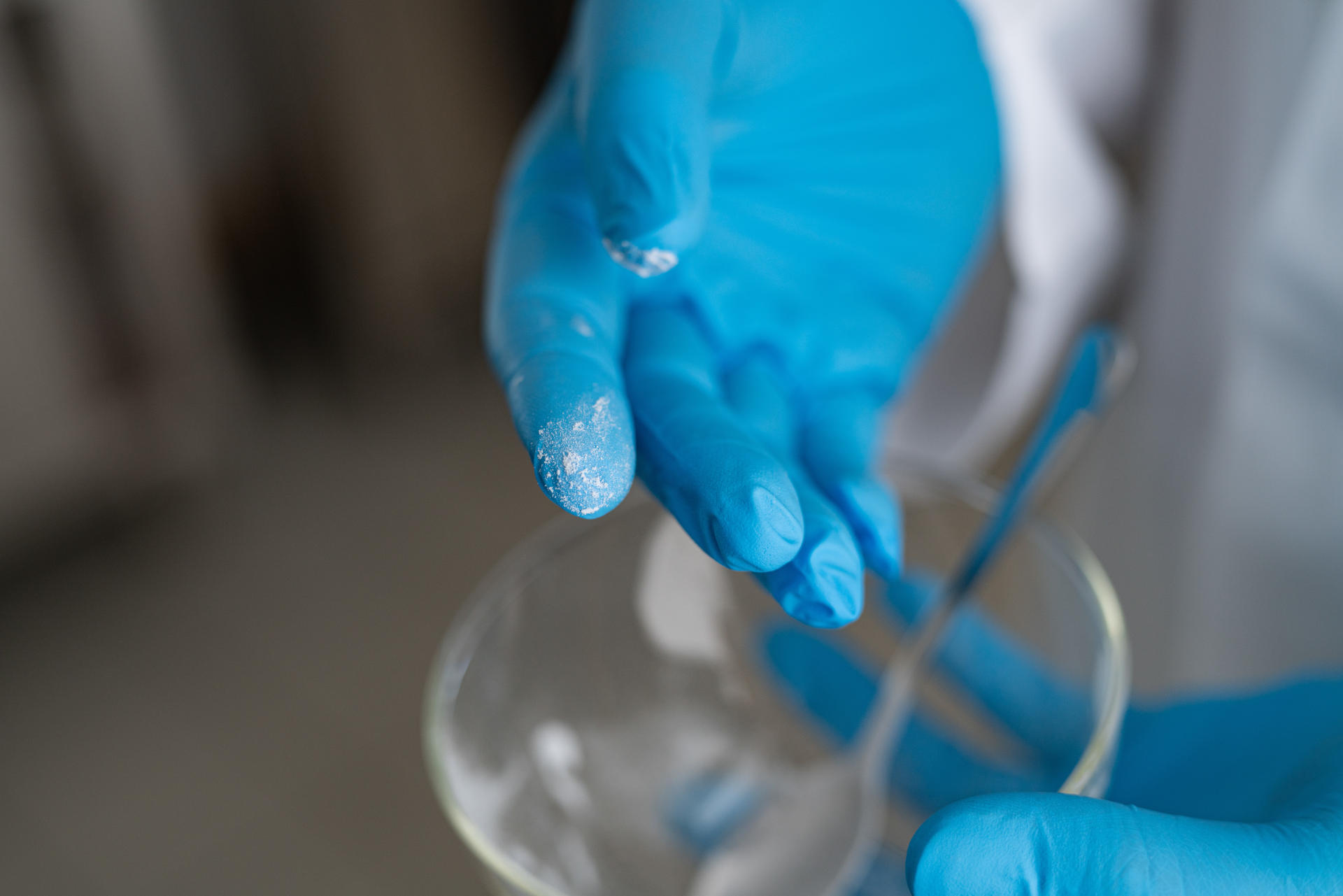
We identify your challenges in order to detect sources of microplastics and micropollutants and make them visible with the help of our monitoring. This enables us to create a basis for targeted measures to clean up water bodies.

ANALYZE
We analyse microplastics precisely, quickly and reliably. Our analyses provide scalable data to make pollution visible and derive effective strategies.
Eliminate
With our microflotation, we eliminate microplastics and micropollutants from surface water and wastewater. This permanently removes pollutants and particles and ensures sustainable protection for our waters.
Be part of the solution – join us now in creating a future without microplastics and micropollutants!